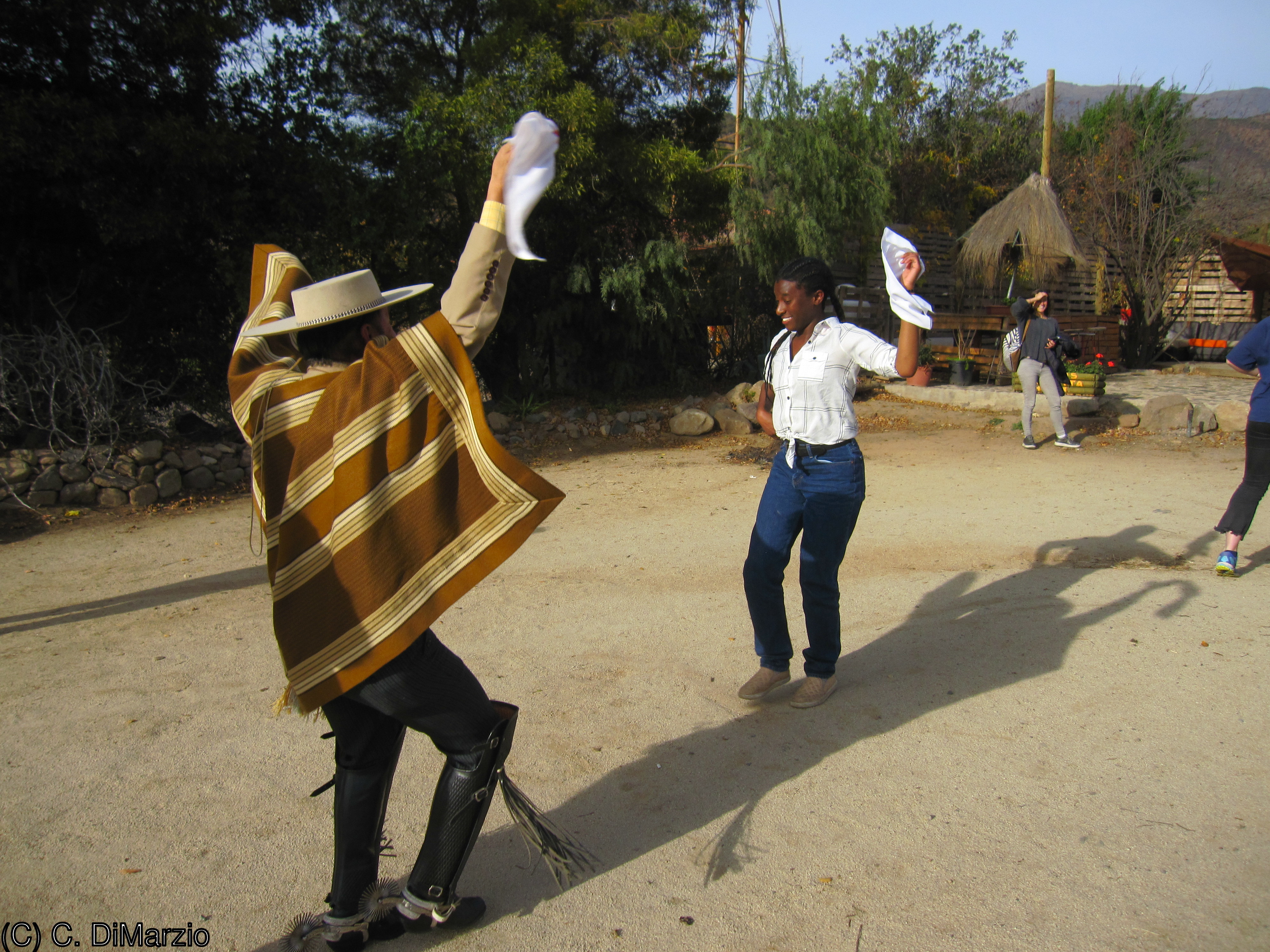
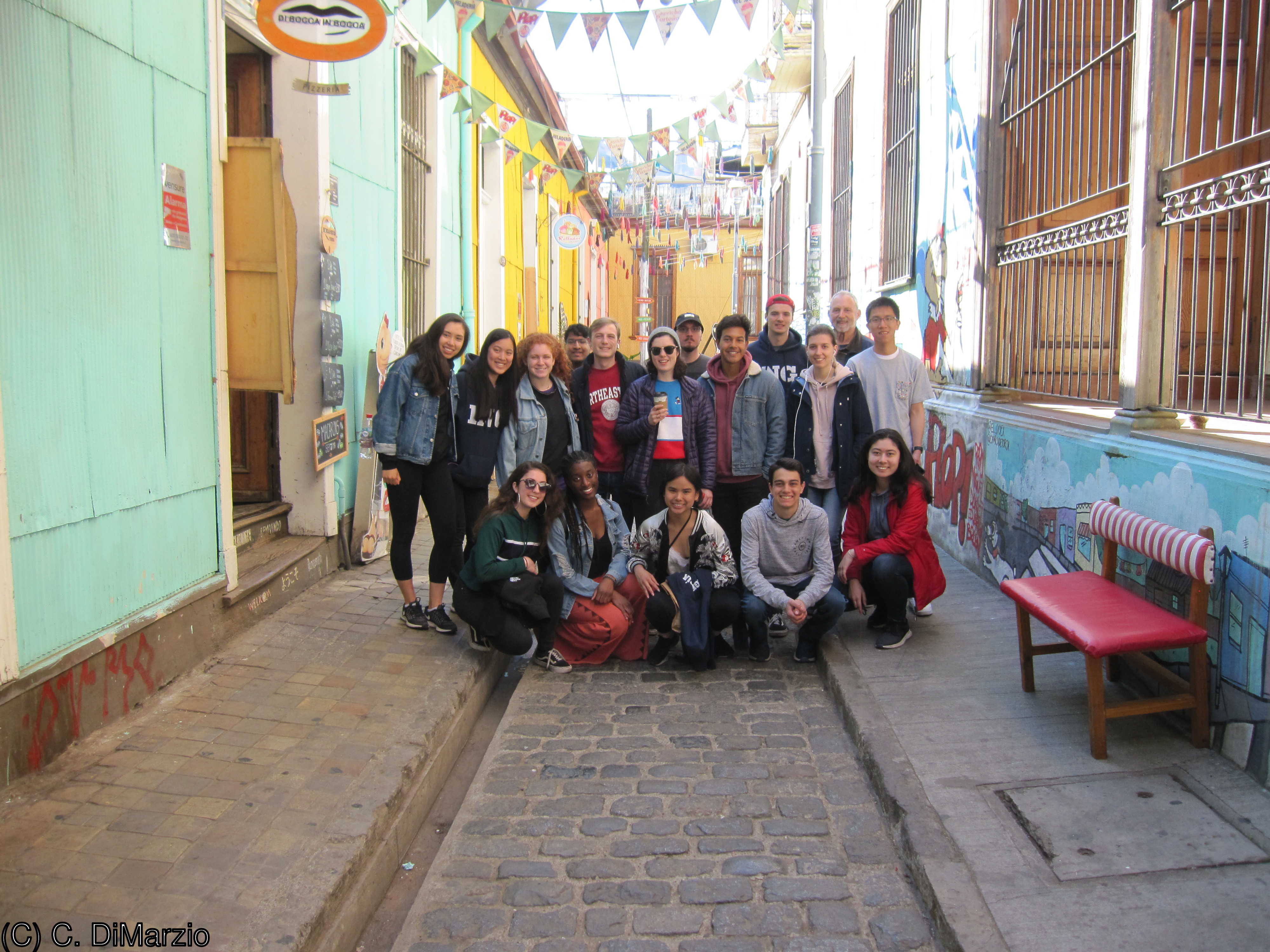
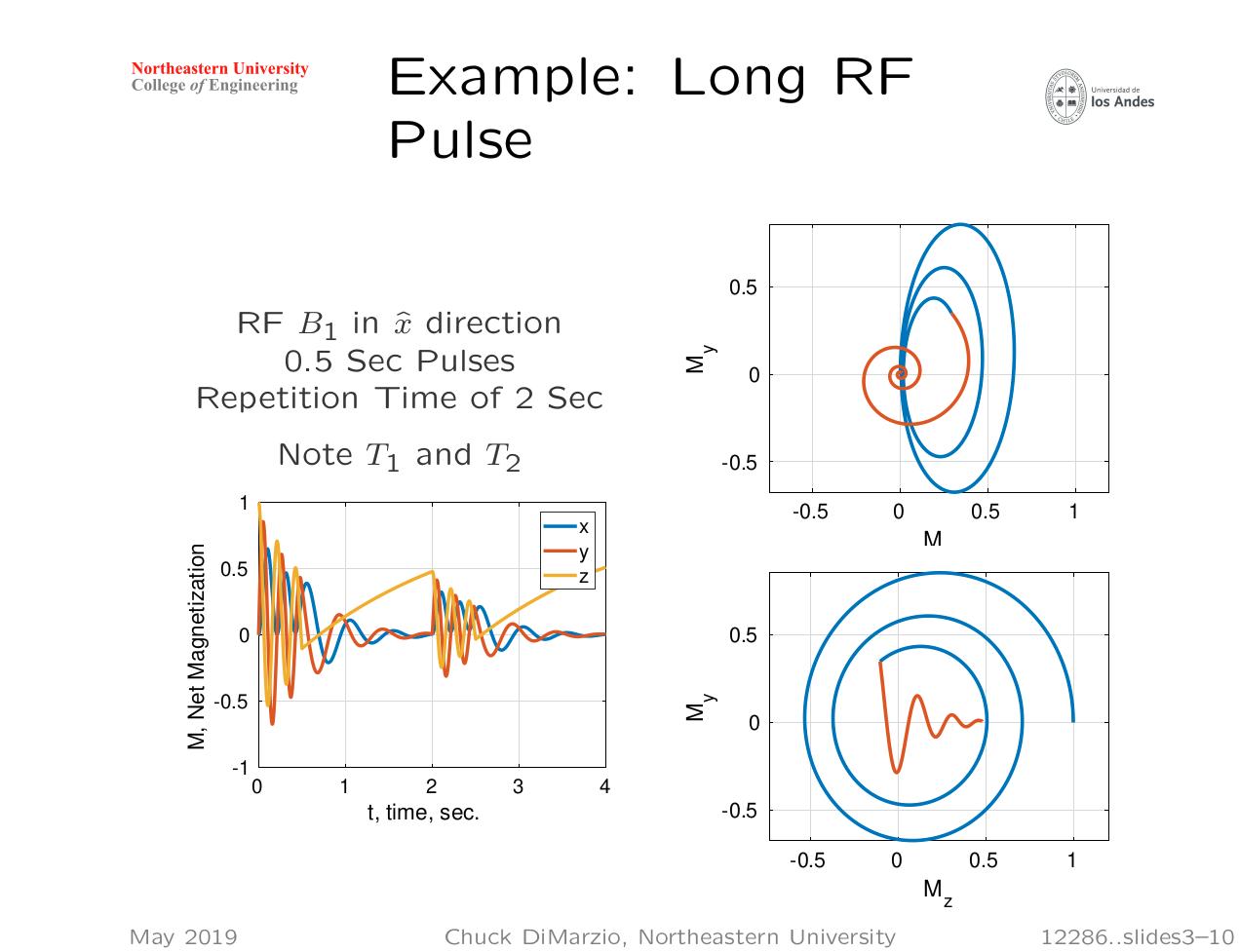
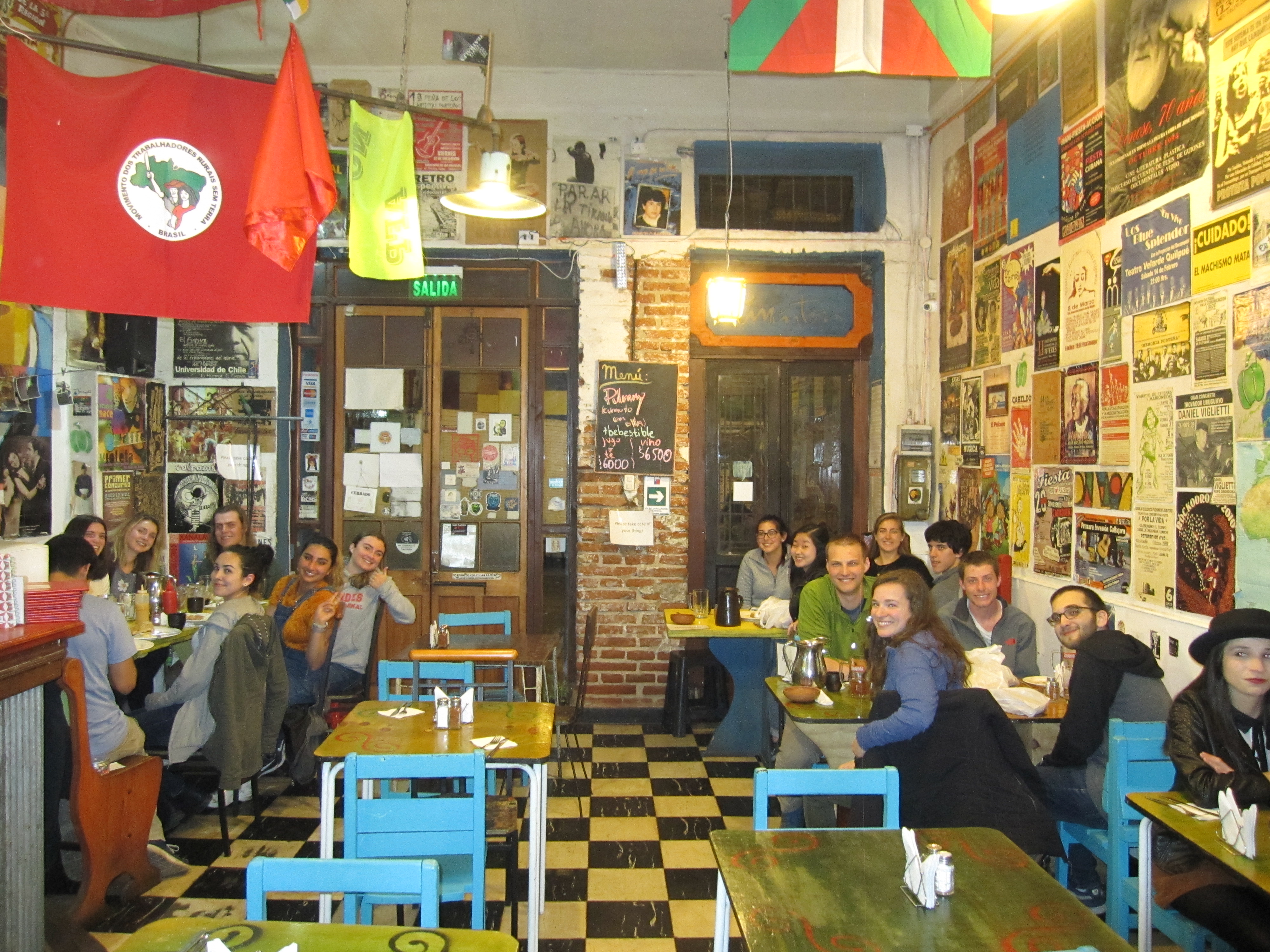
| Dancing La Cueca | Touring Valparaiso | MRI Lecture Slide | Dinner in Valparaiso | Riding at Ólmue | MRI Image |
|
|
|
|
|
|
|
| Are you a student in engineering or science? Have you ever wondered how X-Ray, MRI, and Ultrasound imagers work or why your doctor would choose one of these over another? Would you like to develop research skills to prepare for coop, industry, or graduate school? Are you curious about the political changes occurring in Latin America? Would you like a summer opportunity that would strengthen your resume, broaden your professional network by working with students from Chile on challenging problems, and immerse you in a foreign culture? |
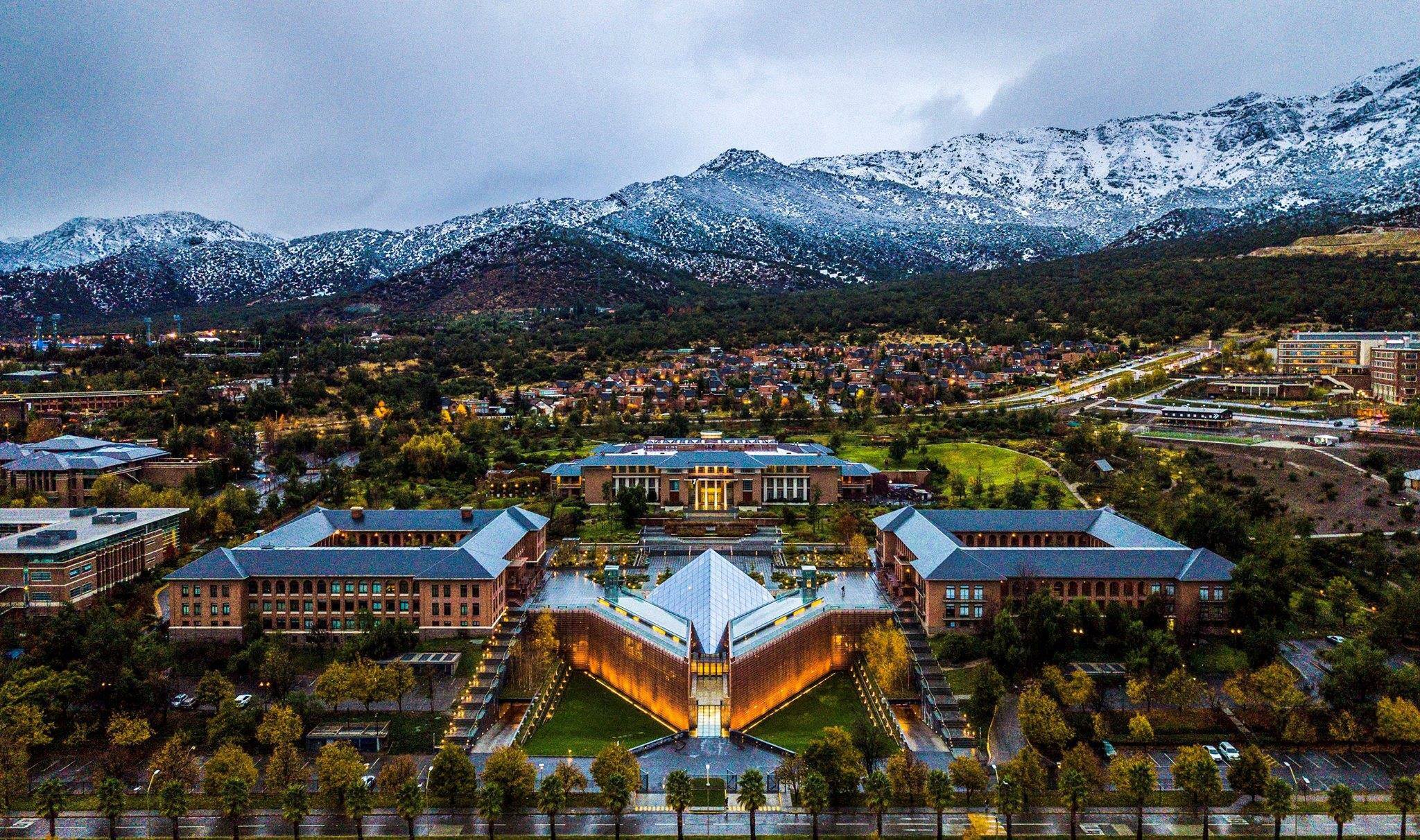
The ProgramEngineers and scientists connect with each other by working together on projects. In this program you will spend five weeks on the campus of Universidad de los Andes in Santiago, Chle. You will learn about biomedical instrumentation by working with classmates from our host university on projects. You will learn how to plan and conduct research in an engineering environment, being guided through a small project which you choose. You will learn about the culture of Chile from pre-Columbian to present times through expert lectures. You will participate in cultural and social activities with your fellow students, and live with a Chilean family.Key Features
|
|
|
Students in this program have formed lifelong professional and social
relationships with their UAndes classmates. After the program some
have continued research in topics that were discussed in class through
directed-study and other courses.
Click the picture to read about two Northeastern students and
one UAndes student who collaborated
after the program on a machine-learning algorithm to learn about how
collagen monomers combine to form fibrils that are the structural
basis of our bodies. as a result of their work, they published a paper
in an international journal.
One of these students is an engineer at Mitre, one is working on
facial recognition algorithms, and one is a Ph.D. student at Duke.
Former students say that they have been successful in finding coop and full-time positions based on some of the skills they learned in this course. |
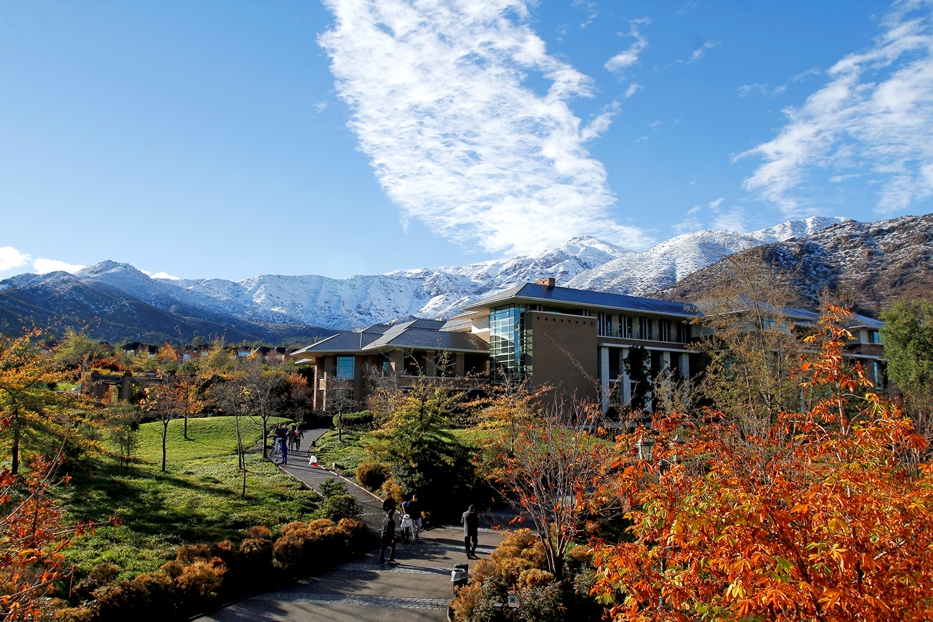
The LocationWe'll be in the exciting modern city of Santiago in the austral autumn as the days grow shorter and a bit cooler. As autumn turns toward winter we may see snow high above us in the mountains and may possibly have an opportunity to ski. However location and 2000-foot elevation give the city a Mediterranian climate with temperatures seldom going below freezing and many afternoons comfortable for walking in shirtsleeves.With a population of six million, Santago offers a variety of attractions and activities. You will find a modern city reflected in state-of-the-art buildings, subway, and museums. Santiago also offers you the possibility to be part of a community that enjoys celebrating its national traditions along with other outdoor activities. |
|
|
You'll stay in Chilean homes near the excellent but crowded
transit system of subways (el Metro) and busses (el Micro) and
you'll have a prepaid transit card to commute to campus. It's
called the "BiP" card, pronounced "beep" because it goes "beep"
when you tap it. You can add value to your card for personal
trips at any Metro station.
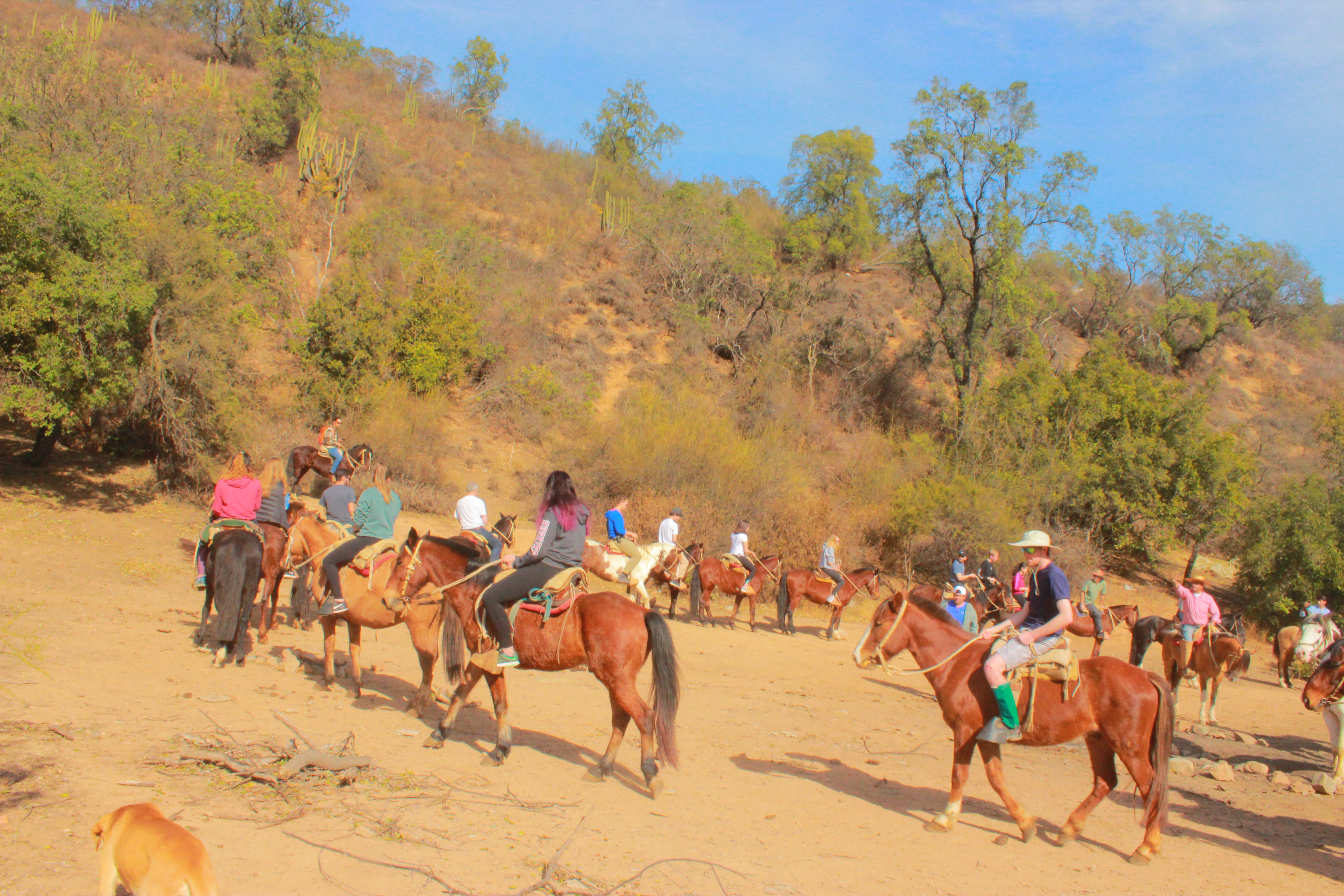
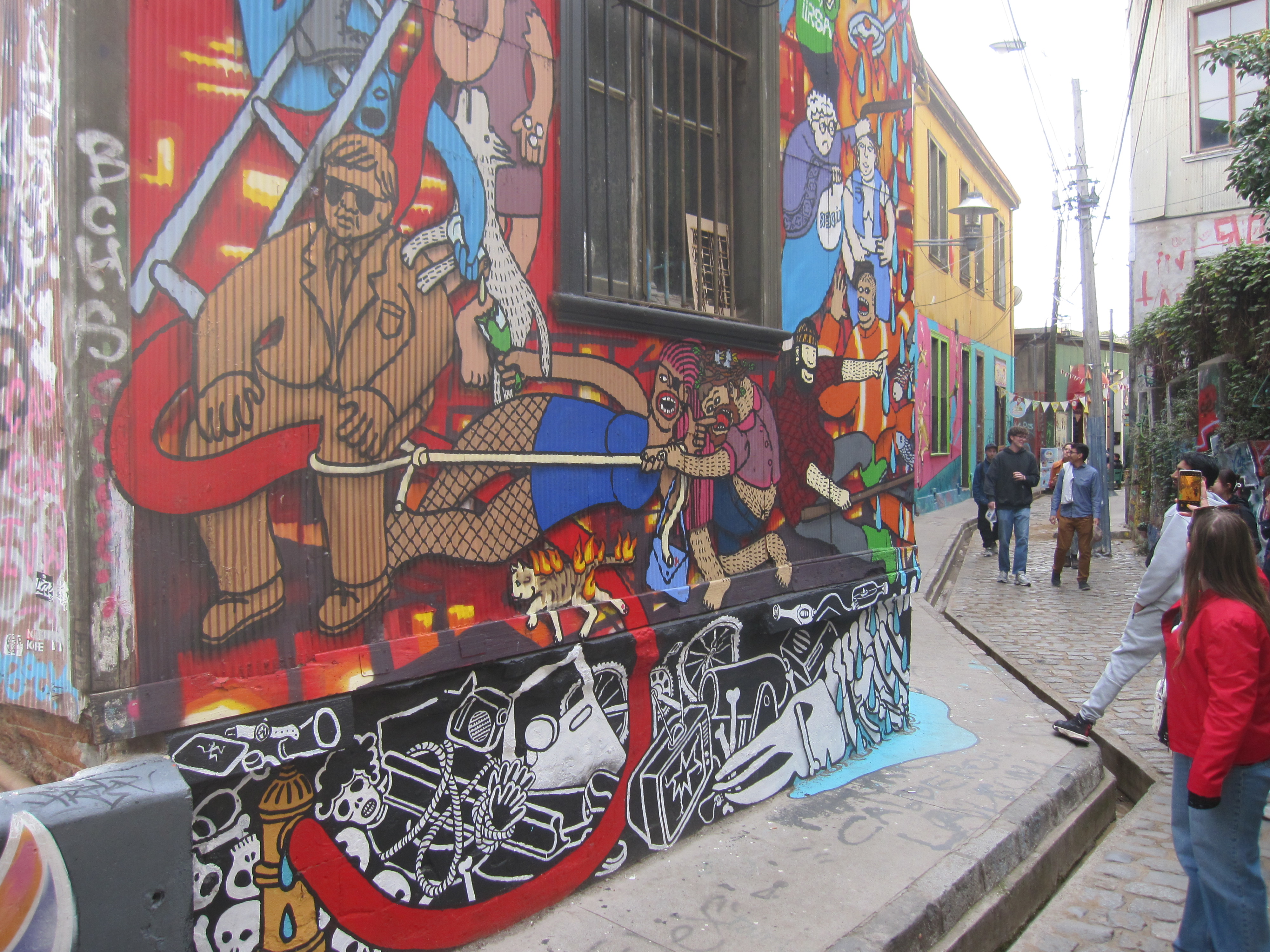
Valparaiso is an exciting port city about 90 minutes from Santiago and a popular vacation area. We'll make an overnight trip for a break from the classroom routine. A bus will take us there and be with us as we need it throughout the trip. We'll explore the port area with a boat tour, enjoy lunch overlooking the city, ride the famous funicular railroads and tour the famous artistic communities. We'll probably spend some time on the beach at Zapillar. In shorter excursions we may go horseback riding in Ólmue, and see the mountain side of Chile at the Cajon de Maipo. |
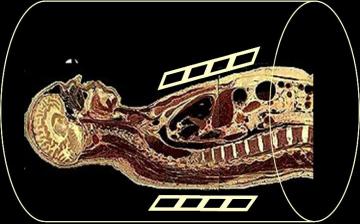
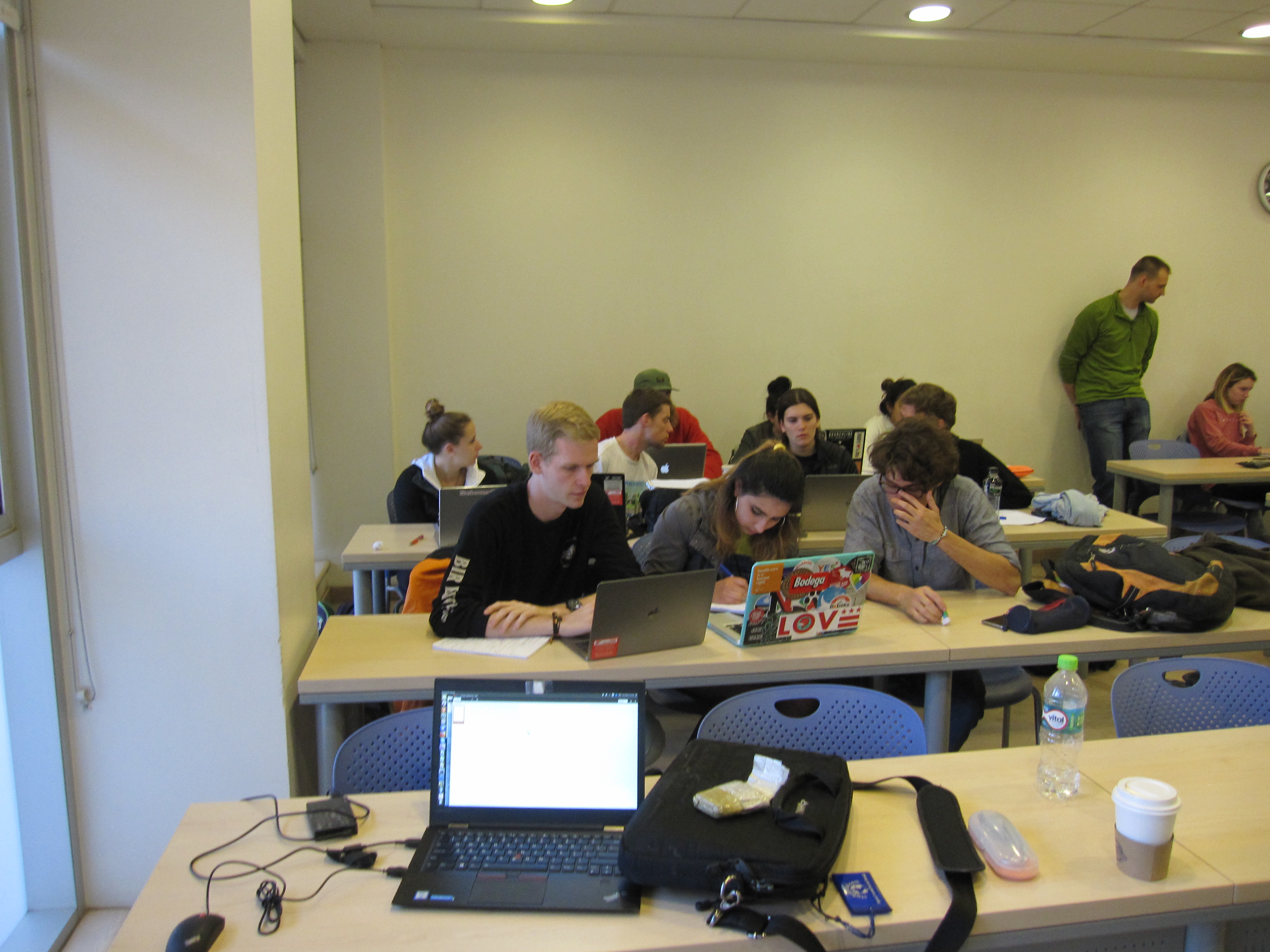
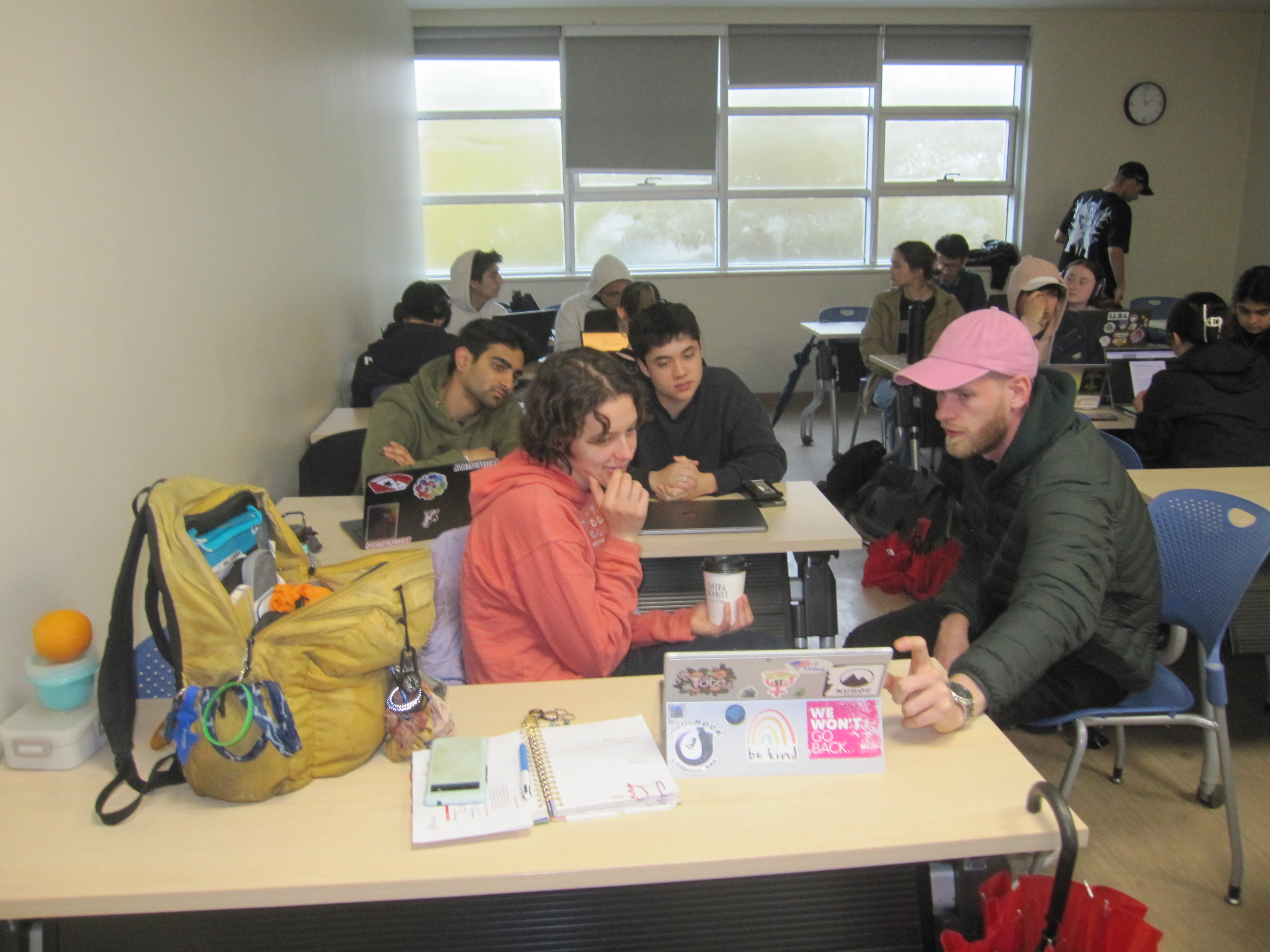
What's Different about this Program?The biomedical imaging instrumentation course is focused on learning by doing. You will attend lectures on X-Ray, MRI, ultrasound, and optical imaging systems, and you will then complete a homework assignment with your teammates on each of these topics. At the end of the program you and your team will complete a more open-ended project on one of these topics, and present your results to the class. New This Year: The second course will introduce you to research through a small guided research project of your own choice. We will have unstructured classroom time for your team to work together with the instructor and teaching assistant available to help whenever you need it. This is a great time to discuss career goals and other opportunities. Former students have told us this is one of the most valuable parts of the program. We will make use of the Matlab computing environment, but we will provide you with as much help as you need in order to learn it. |
|
|
New This YearThis year students will receive credit for two engineering courses. For the second course, each student may elect EECE4992, ME4992, or BIOE4992. In any case, you will plan and conduct a small research project on a topic of your choice. We expect the project to be appropriate to the course number (EECE, BIOE, ME) and to have some relevance to Chile or South America. You will present frequent updates on your research and an oral final report at the end. This year, we are including the small coastal vacation area of Zapillar on our Valparaiso trip, and we will visit the mountains at Cajon de Maipo. You will still have the whole Chilean cultural experience through guest lectures by local experts, through excursions to all of the cultural sites visited on previous trips, and most importantly through interactions with your UAndes classmates and your homestay family. |
More Information?How does this fit into my degree?In many majors EECE-4649 and EECE/ME/BIOE4992 count as technical electives. You can often move courses around so that you can take this course in Summer 1 and the courses you would otherwise have taken in another semester. Contact us for more information.Do I need to Know Spanish?No. All classes are in English with the exception of a few hours of gentle introduction to the Spanish language. You will learn a few words that you can use in the shops and on the Metro. If you do speak Spanish you will have a chance to learn unique Chilean words and customs.Where Can I Learn More?Your teaching team is ready to answer any questions. Professor Chuck DiMarzio and teaching assistant, Eric Hall, will be leading the program and are happy to tell you more and answer any questions. Just email dimarzio@ece.neu.edu and we will respond in less than 24 hours. Do not be shy; We love to talk about imaging, Chile, and a lot more. |
|