The Boom of AI is Behind the Surge in RAM Prices
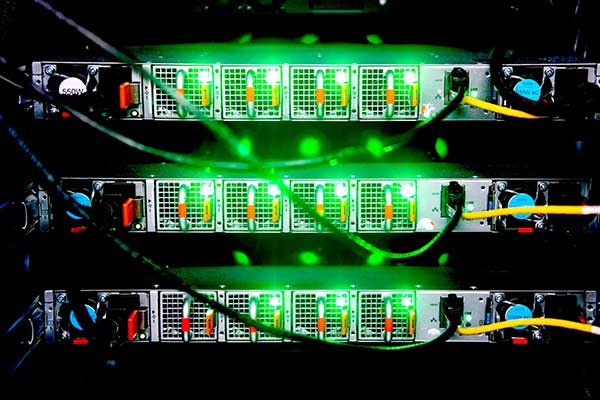
Here’s what you need to know about the global RAM shortage. Modoono/Northeastern University
Matteo Rinaldi, professor of electrical and computer engineering, helps explain the reason behind the recent surge in RAM prices. Due to the high memory usage AI data centers require, most RAM manufacturing streams feed directly to AI cooperations instead of consumers, driving up the market price.
This article originally appeared on Northeastern Global News. It was published by Cesareo Contreras.
What is causing the RAM shortage? Experts explain
Pay any attention to the computer market these days and one thing becomes abundantly clear: RAM — or Random-Access Memory — has gotten pretty expensive.
Memory prices have already surged approximately 90% in the first quarter of 2026 compared to the fourth quarter of 2025, according to research firm Counterpoint Technology Market Research.
This change largely stems from a change of focus by Samsung, SK Hynix and Micron,the three biggest RAM component makers in the world, comprising up to 93 percent of the market.
To accommodate the high computing demands of AI data centers, these companies have accelerated the production of high-bandwidth and high capacity RAM to supply these centers, according to a market analysis report from the International Data Corporation, or IDC, a US-based market research intelligence firm.
As a result “this has restricted the supply of general-purpose memory modules and driven up prices across the board,” reads a summary of the report.

Matteo Rinaldi, professor of electrical and computer engineering, said the RAM shortage likely won’t end soon. Photos by Matthew Modoono and Adam Glanzman/Northeastern University.
Matteo Rinaldi, a professor of electrical and computer engineering and the director of Northeastern University’s Institute for NanoSystems Innovation, said this shortage is different in nature than the chip shortages the markets experienced during the Covid-19 pandemic.
“This is more structural,” he said. “This is really an AI-driven memory demand shock.”
RAM can be understood as a computer’s short-term memory center, and it’s essential in allowing for multiple applications to be run at once on a computing device. It is a foundational component of any modern computing device — from the cellphone in your pocket to your car’s infotainment system.
But an AI data center requires significantly more high-performing memory than a typical consumer electronic device.
“Just to give you an idea, a single AI server can use as much advanced memory as a dozen or even hundreds of traditional laptops,” he said. So when hyperscalers, known as massive cloud computing providers, build thousands or tens of thousands of these systems at once, they basically absorb a large fraction of global memory production, Rinaldi added.
RAM memory production is an extremely consolidated business, with the few global players making the majority of these components. For years, these companies have optimized their production cycles for steady, consumer demand.
AI, however, has thrown a wrench in the equation, with major players in AI development now requiring extremely powerful components capable of processing massive amounts of data.
Read full story at Northeastern Global News